Graffi: A Bold Display Font for Digital Creativity
Graffi in a Hero Section for a Creative Portfolio
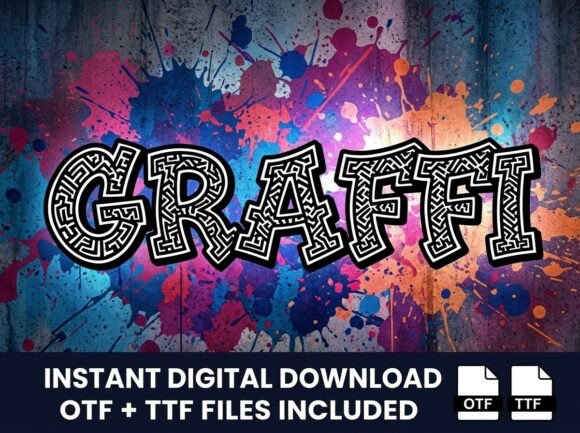
When I first tested Graffi on a creative portfolio homepage, the moment was electric. As a display font built upon heavy, blocky slab-serif letterforms, Graffi immediately stood out against the minimalist backdrop of the hero section. It felt like pounding a highly conceptual, eye-catching structure straight into the artwork — exactly what the project needed to convey boldness and originality.
I placed it over a full-width image banner with a dark overlay, and the result was striking. The ultra-stylized maze pattern in Graffi added texture without overwhelming the visual hierarchy. It worked perfectly as a headline for the main title, drawing attention while maintaining readability at larger sizes.
Graffi for a Boutique Online Store Banner
Next, I experimented with Graffi on a boutique online store's product landing page. The brand was looking for something unique that would stand out from competitors. Graffi’s heavy slab-serif design brought a sense of authority and modernity to the banner, especially when paired with a clean sans serif font for body copy.
I noticed that the maze-like patterns in Graffi didn’t interfere with scanning behavior. Even though it was a display font, its legibility on desktop and mobile screens was impressive. For short phrases like “New Arrivals” or “Limited Edition,” Graffi delivered a strong visual punch without sacrificing clarity.
Graffi in a Coaching Website Call-to-Action Area
On a coaching website, I used Graffi for the call-to-action buttons and section headings. The goal was to create a sense of urgency and confidence. Graffi’s bold, blocky letterforms helped reinforce the message behind the CTA, making it feel more authoritative and trustworthy.
I made sure to test it on both light and dark backgrounds. On a white background, Graffi had a clean, professional look. On a darker tone, it still maintained its presence without being too overpowering. This flexibility is crucial for any digital project that needs to adapt across different layouts and color schemes.
Graffi for a Course Sales Page Header
For a course sales page, I wanted the header to feel dynamic and engaging. Graffi fit the bill perfectly. Its maze pattern gave the header an artistic edge, which aligned well with the creative nature of the course content. I used it for the main title and subheadings, ensuring that the visual hierarchy remained clear.
The font also played well with other design elements like icons and illustrations. When paired with a complementary sans serif font for the body text, it created a balanced and modern typography system that supported the overall brand identity.
Graffi in a Blog Header for Editorial Design
In a blog redesign, I incorporated Graffi into the header section for article titles. The editorial tone of the blog required a font that could be both stylish and readable. Graffi’s slab-serif structure provided that perfect blend of elegance and strength.
I found that using Graffi for section headers and featured posts helped create a consistent visual language throughout the site. It wasn’t too decorative to distract from the content but enough to add personality and flair to the layout.
Graffi for a Campaign Landing Page Title
Finally, I tested Graffi on a campaign landing page. The goal was to grab attention quickly and make a strong first impression. Graffi’s eye-catching structure made it ideal for the main headline. It stood out against the vibrant background and drew the user’s gaze immediately.
I also used it sparingly in supporting text areas, such as taglines and feature highlights. This ensured that the font remained impactful without becoming overwhelming. The key takeaway was that Graffi works best when used strategically — as a focal point rather than a primary text element.
Readability and Responsiveness with Graffi
One thing I paid close attention to was how Graffi performed on smaller screens. While it’s a display font, I made sure to use it only for headlines and not for long paragraphs. This kept the design responsive and ensured that the user experience remained smooth across all devices.
Testing it on mobile layouts showed that Graffi scaled well, maintaining its visual integrity even at smaller sizes. Pairing it with a lighter, more readable sans serif font for body text helped keep the design clean and accessible.
Font Pairing and Brand Consistency with Graffi
When working with Graffi, I found that pairing it with a simple sans serif font like Helvetica or Roboto created a strong contrast that enhanced the visual appeal of the layout. This combination allowed Graffi to shine in display areas while keeping the rest of the content easy to read.
For projects that require a more editorial feel, a classic serif font like Georgia or Times New Roman worked well alongside Graffi. This approach gave the design a more refined and professional appearance, which was especially effective for brand kits and promotional materials.
Choosing Graffi for Your Next Project
If you're looking for a display font that can elevate your web design, Graffi is worth considering. Its unique maze pattern and bold slab-serif structure make it a standout choice for hero sections, banners, CTAs, and other high-impact areas of your website.
Whether you’re building a creative portfolio, launching a boutique online store, or designing a course sales page, Graffi offers the right balance of style and functionality. Just remember to use it wisely — as a decorative accent rather than a primary text font — and you’ll be able to create a more polished and professional online brand experience.