Stolier: A Bold Display Font for Eye-Catching Editorial Design
Stolier for Lifestyle Blog Headers and Branding
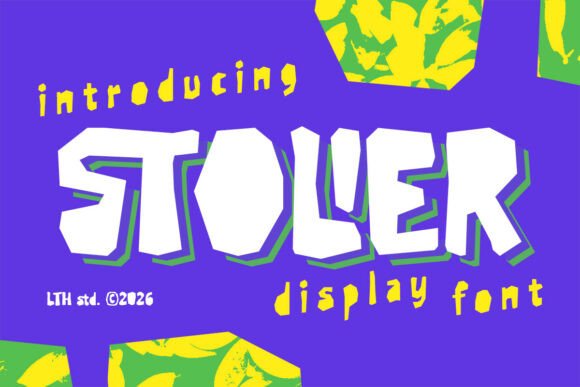
As I sat down to redesign the header for my lifestyle blog, I knew I needed a font that would grab attention without feeling overdone. That’s when I discovered Stolier, a display font with chunky uneven shapes and playful cutout edges that feel like they’ve been ripped straight from a pop-culture poster wall. It wasn’t just about making the title stand out—it was about creating a mood, a rhythm, and a visual identity that matched the energy of the content inside.
Stolier brought a raw, funky vibe to the header that felt perfectly in tune with the blog’s aesthetic. Its irregular forms and bold weight made it ideal for titles, but also gave the design a sense of authenticity that resonated with readers. The chaotic energy didn’t overwhelm; instead, it invited curiosity and engagement.
Stolier in Recipe Ebook Titles and Chapter Openers
I recently worked on a recipe ebook titled “Spice & Soul,” and the challenge was finding a font that could balance fun and functionality. For the chapter openers, I turned to Stolier again. Its loud, chaotic energy was perfect for introducing sections like “The Ultimate Curry Guide” or “Baking with a Twist.”
While Stolier isn’t meant for long-form reading, it excelled as a display font for section headers. Pairing it with a clean sans serif font for body text created a strong visual hierarchy. Readers could easily scan through the chapters, and the playful edge of Stolier kept the tone light and approachable.
The key was ensuring that Stolier didn’t interfere with readability. I used it sparingly—just for titles and pull quotes—and let the supporting fonts handle the rest. This allowed the reader to focus on the content while still enjoying the visual flair.
Stolier for Wedding Guides and Event Branding
When I was tasked with designing a wedding guide titled “Love, Laughter, and Lavender,” I wanted something that felt both modern and romantic. Stolier came into play for the cover title and main headings. Its chunky, uneven shapes gave the guide an edgy, contemporary look that stood out against traditional wedding fonts.
Using Stolier for the event branding elements—like the cover and chapter headings—added a layer of personality that wasn’t present in more conventional typefaces. It felt like a fresh take on wedding design, one that appealed to younger couples who wanted something different from the norm.
For the interior, I paired Stolier with a soft serif font that provided contrast and ensured the content remained easy to read. This combination helped maintain a balance between style and substance, which is essential for any editorial project.
Stolier in Newsletter Graphics and Digital Magazine Layouts
Designing a newsletter for a creative community, I needed a font that could command attention without being too overwhelming. Stolier fit the bill perfectly for the headline and call-out boxes. Its chunky, uneven shapes added a sense of movement and energy that aligned with the brand’s creative spirit.
In a digital magazine layout, Stolier was used for feature titles and pull quotes. Its loud, chaotic energy was tempered by its placement—always above the fold, always in prominent positions. It became a signature element that readers associated with the publication’s unique voice.
One thing I learned quickly was that Stolier works best when used in moderation. Too much of it, and the design feels cluttered. But in the right context, it can be a powerful tool for drawing the eye and reinforcing the brand’s identity.
Stolier for Course PDFs and Coaching Workbooks
When I designed a course PDF on time management, I needed a font that could convey both authority and creativity. Stolier was chosen for the title page and chapter headings. Its raw, funky character gave the course a modern, dynamic feel that appealed to a younger, tech-savvy audience.
For the workbook version, I used Stolier in the chapter headers and activity titles. It helped break up the monotony of the content and kept the reader engaged. The playful cutout edges and chunky shapes were a nice contrast to the structured format of the exercises.
It was important to ensure that Stolier didn’t distract from the learning experience. By using it only for decorative accents and not for the body text, I maintained a clear visual hierarchy that supported the educational goals of the course.
Stolier in Printable Planners and Editorial Features
Creating a printable planner, I experimented with different fonts for the monthly calendars and weekly layouts. Stolier was a natural choice for the month names and section headers. Its bold, uneven shapes added a sense of individuality and made each page feel unique.
In an editorial feature piece on street art, Stolier was used for the headline and subheadings. Its chaotic energy mirrored the subject matter, and the raw, funky look helped set the tone for the entire article. It wasn’t just a font—it was a visual statement.
Whether it was for a planner, a feature article, or a course PDF, Stolier consistently delivered a sense of energy and character that elevated the overall design. It wasn’t just about looking good—it was about feeling right.