Vintage Bold for Timeless Editorial Design
Vintage Bold in a Lifestyle Blog Header Redesign
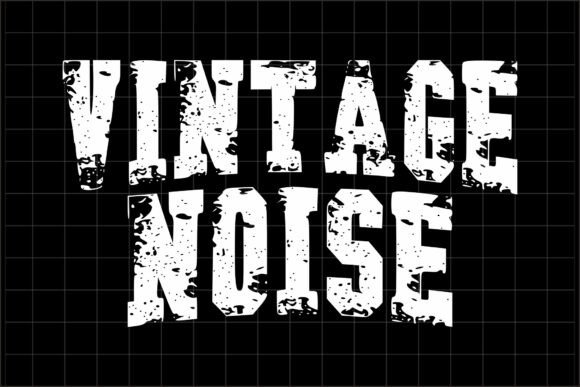
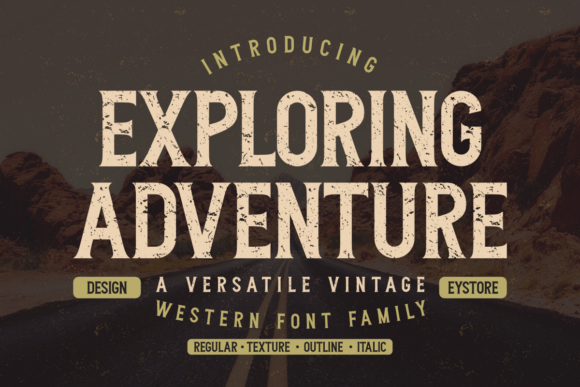
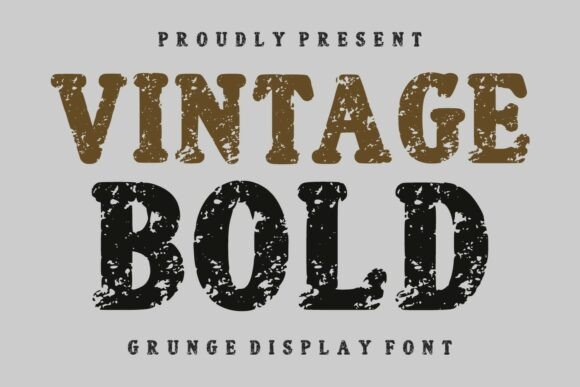
Vintage Bold is a powerful grunge display font inspired by classic western signage, aged letterpress printing, rustic branding, and distressed vintage typography. Designed with bold character shapes, it brought a unique energy to my latest lifestyle blog header redesign. I was looking for something that felt handcrafted yet modern, and Vintage Bold fit perfectly. Its textured edges and strong strokes gave the header an air of authenticity, making it ideal for a blog focused on vintage fashion and artisanal living.
When designing the blog header, I paired Vintage Bold with a clean sans serif font for the body copy. This combination allowed the header to stand out without overwhelming the reader. The contrast helped guide attention naturally to the main title, which is crucial for any editorial design project.
Vintage Bold for Recipe Ebook Covers
Vintage Bold is a powerful grunge display font inspired by classic western signage, aged letterpress printing, rustic branding, and distressed vintage typography. When creating the cover for a new recipe ebook, I needed a font that would evoke warmth and nostalgia while still feeling approachable. Vintage Bold’s bold character shapes and weathered look were exactly what I needed to create a cover that felt like an old cookbook found in an attic.
I used Vintage Bold for the main title, “Heirloom Bakes,” and then layered it with a subtle texture overlay to enhance the aged feel. For the subtitle, I opted for a soft serif font that complemented the boldness of Vintage Bold without clashing. This choice ensured the cover had visual hierarchy and readability, even at smaller sizes.
Vintage Bold in a Wedding Guide Layout
Vintage Bold is a powerful grunge display font inspired by classic western signage, aged letterpress printing, rustic branding, and distressed vintage typography. When working on a wedding guide layout, I wanted to capture the essence of a timeless celebration. Vintage Bold was the perfect choice for section headings and pull quotes, adding a touch of elegance and charm to each page.
The font’s bold character shapes made it ideal for emphasizing key moments in the guide, such as “The Ceremony” or “The Reception.” I also used it sparingly for decorative accents, ensuring the overall design didn’t become too busy. By balancing Vintage Bold with a more readable sans serif font for body text, I created a layout that felt both sophisticated and easy to follow.
Vintage Bold for Newsletter Graphics
Vintage Bold is a powerful grunge display font inspired by classic western signage, aged letterpress printing, rustic branding, and distressed vintage typography. In a recent newsletter graphic for a creative coaching brand, I wanted to convey a sense of inspiration and timelessness. Vintage Bold was the go-to choice for the headline, “Create With Confidence,” and for the callout sections that highlighted key tips and resources.
Its bold character shapes added visual interest and drew the reader’s eye directly to the most important information. I paired it with a minimalist sans serif font for the body text to maintain a clean, professional look. This font pairing helped reinforce the brand’s identity while keeping the content accessible and engaging.
Vintage Bold in a Coaching Workbook
Vintage Bold is a powerful grunge display font inspired by classic western signage, aged letterpress printing, rustic branding, and distressed vintage typography. When designing a coaching workbook for a wellness brand, I needed a font that would feel both authoritative and inviting. Vintage Bold’s strong, textured appearance made it ideal for chapter titles and section headers.
I used it for titles like “Mindfulness Practices” and “Goal Setting,” giving them a sense of gravitas while maintaining a warm, approachable tone. For the body text, I chose a soft serif font that balanced the boldness of Vintage Bold. This thoughtful font pairing ensured the workbook remained visually cohesive and easy to read across multiple pages.
Vintage Bold for Digital Magazine Layouts
Vintage Bold is a powerful grunge display font inspired by classic western signage, aged letterpress printing, rustic branding, and distressed vintage typography. When working on a digital magazine layout focused on retro culture, I wanted a font that would immediately communicate the theme. Vintage Bold was the perfect fit for headlines and feature titles, bringing a sense of history and character to every page.
I used it for article titles like “Retro Revival” and “Vintage Fashion Today,” and I paired it with a clean sans serif font for captions and navigation elements. This font choice helped establish a clear visual hierarchy and kept the magazine looking polished and professional, even with its nostalgic aesthetic.
Vintage Bold in a Printable Planner
Vintage Bold is a powerful grunge display font inspired by classic western signage, aged letterpress printing, rustic branding, and distressed vintage typography. For a printable planner designed for creatives, I wanted a font that felt both inspiring and practical. Vintage Bold was the right choice for monthly headers and event titles, adding a sense of individuality and character to the layout.
Its bold character shapes made it easy to read from a distance, which was especially important for a planner that would be used frequently. I paired it with a simple sans serif font for daily notes and reminders, ensuring the design remained functional and user-friendly.
Vintage Bold for Brand Identity and Content Consistency
Vintage Bold is a powerful grunge display font inspired by classic western signage, aged letterpress printing, rustic branding, and distressed vintage typography. Choosing a display font like Vintage Bold can help build a consistent brand identity across all content formats. Whether you’re designing a blog header, an ebook cover, or a newsletter graphic, using this font consistently helps reinforce your brand’s personality and message.
When selecting Vintage Bold for a project, it’s important to consider how it will work with other fonts, colors, and design elements. Pairing it with a complementary serif or sans serif font can help create balance and ensure readability. Additionally, checking for included styles, alternates, ligatures, and commercial licensing ensures that the font meets your needs for print and digital use.