Vintage Noise: A Distressed Display Font for Bold Editorial Design
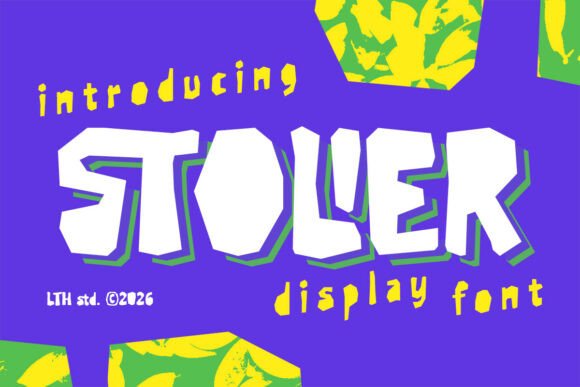
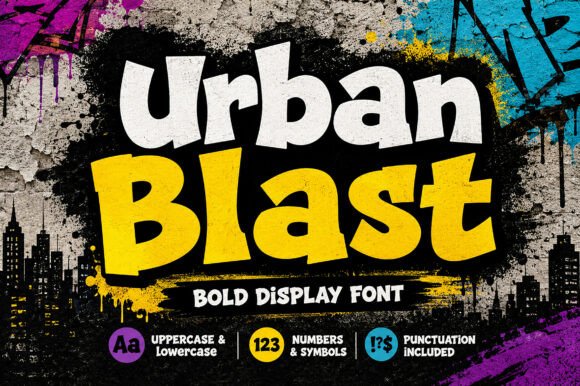
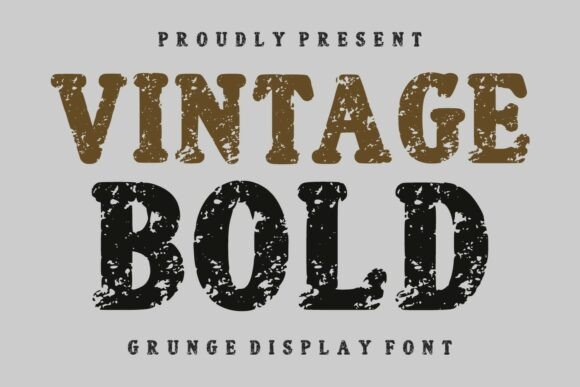
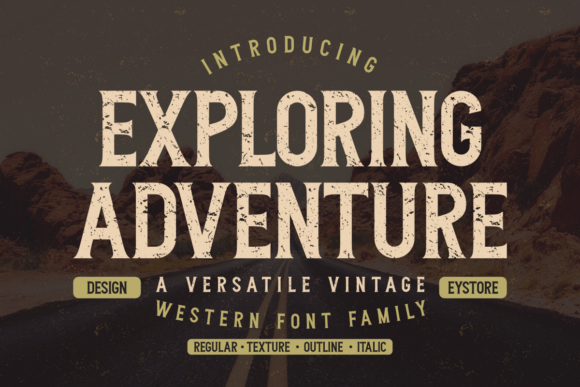
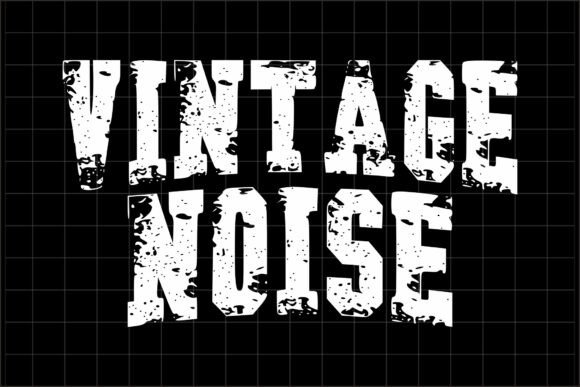
Vintage Noise is a bold, distressed display font featuring a rough, worn, and textured grunge effect. Inspired by industrial typography, urban posters, and vintage print aesthetics, this font delivers a unique editorial voice that stands out in any layout.
Vintage Noise for Magazine Covers and Urban-Themed Publications
When I first encountered Vintage Noise, I was designing the cover for a digital magazine focused on street art and urban culture. The font’s rugged texture and aged appearance immediately resonated with the theme. Using it as the main title brought an authentic, gritty feel to the design, complementing photographs of graffiti and cityscapes perfectly.
Vintage Noise works exceptionally well for magazine covers, especially those aiming for a raw or edgy aesthetic. Its character adds visual interest without overshadowing the imagery, making it ideal for headlines that need to capture attention at a glance.
Vintage Noise in Lifestyle Blog Headers and Branding
For a recent lifestyle blog redesign, I experimented with Vintage Noise as the header font. It gave the site a distinct personality, aligning with the brand's focus on vintage-inspired living and retro aesthetics. While not suitable for long-form content, its use in headers created a cohesive identity across the platform.
The font’s distressed look makes it a compelling choice for blog headers, especially when paired with clean, modern fonts for body text. This contrast helps maintain readability while reinforcing the editorial mood. Vintage Noise can also be used creatively in branding elements like logos or taglines where a touch of authenticity is desired.
Vintage Noise for Recipe Ebooks and Cozy Printables
I recently tested Vintage Noise in a recipe ebook centered around rustic cooking and homegrown ingredients. Though unconventional for a food-focused publication, the font added a nostalgic charm to chapter titles and section headers. It worked best when used sparingly—on titles rather than dense paragraphs.
In projects like printable planners or coaching workbooks, Vintage Noise can be used for decorative accents, pull quotes, or chapter openers. It brings warmth and character to layouts that aim for a cozy, handcrafted feel. However, it’s important to consider legibility on screens and ensure that the font doesn’t compromise the overall reading experience.
Vintage Noise in Newsletter Graphics and Digital Magazines
In a newsletter for a creative community, I incorporated Vintage Noise into graphic elements such as feature banners and promotional graphics. The font’s textured edges and distressed look helped create a sense of movement and energy, which matched the tone of the content.
Vintage Noise is particularly effective in digital magazines or newsletters where visual hierarchy is key. Used strategically on headlines or pull quotes, it draws the reader’s eye and enhances the editorial flow. Pairing it with a clean sans serif font ensures that the content remains easy to read while maintaining a strong visual identity.
Vintage Noise and Readability Considerations
While Vintage Noise is undeniably striking, it’s crucial to understand its limitations. As a display font, it excels in short bursts of text but may not be suitable for extended reading. Avoid using it for body copy, small captions, or formal reports where clarity is essential.
Before incorporating Vintage Noise into a project, check the font file for included styles, alternates, ligatures, and multilingual support. Ensure that the licensing allows commercial use if you plan to distribute your content digitally or in print. Testing it in various formats—PDF, web, and mobile—is also recommended to confirm its performance across platforms.
Vintage Noise is a versatile display font that adds character and mood to editorial designs. Whether you're working on a magazine cover, blog header, or printable guide, this font offers a unique way to express creativity and reinforce brand identity through typography.